Hard at Work in Support of Science
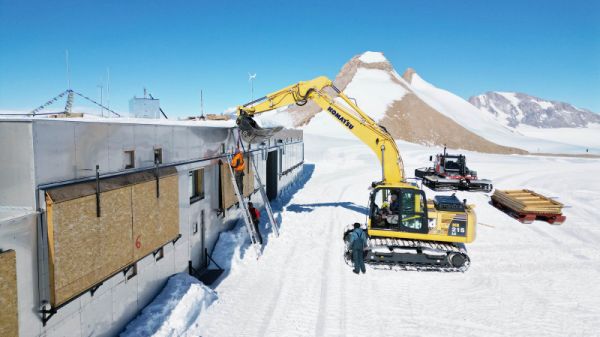
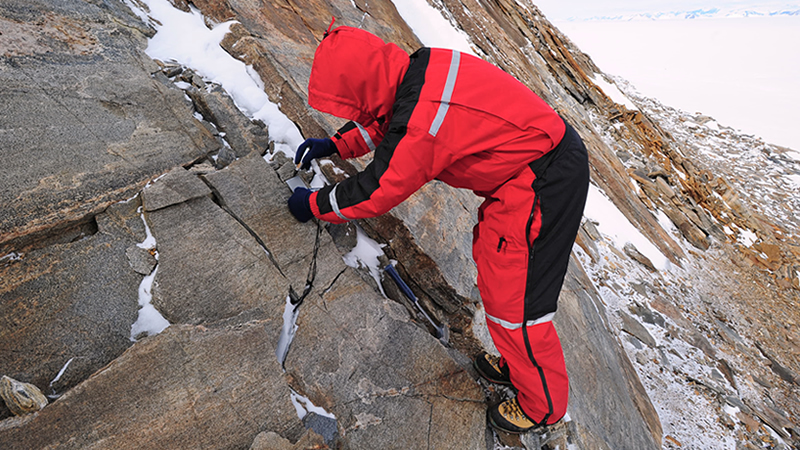
This week at Princess Elisabeth Antarctica Station (PEA), the team continued making important adjustments to the station while pushing forward with several scientific support missions across the region.

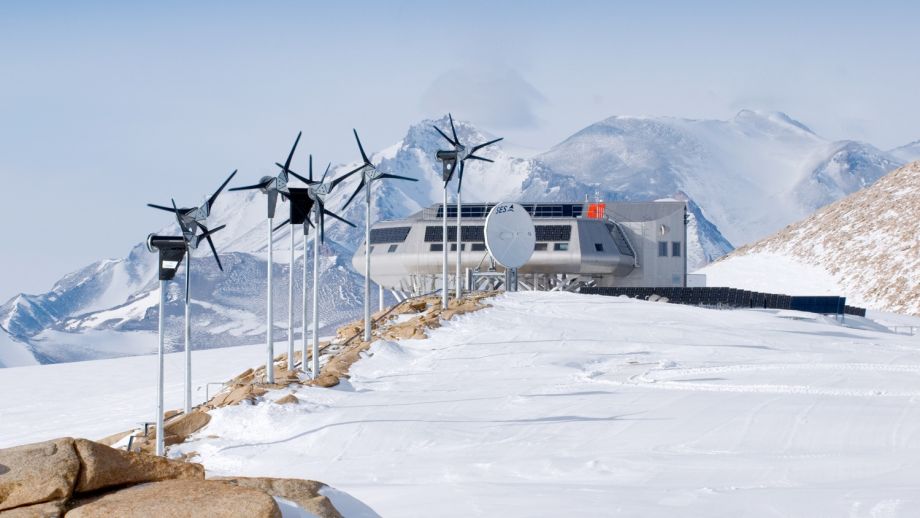
For decades, Antarctica has been the home of science and an example for preservation governance. The International Polar Foundation heralded the return of Belgium on the continent with the first ever “zero emission” station: Princess Elisabeth Antarctica.
This week at Princess Elisabeth Antarctica Station (PEA), the team continued making important adjustments to the station while pushing forward with several scientific support missions across the region.
After settling in at the Princess Elisabeth Antarctica (PEA), the team has fully reactivated all the station’s systems. Now that everyone has settled in, the real work begins:…
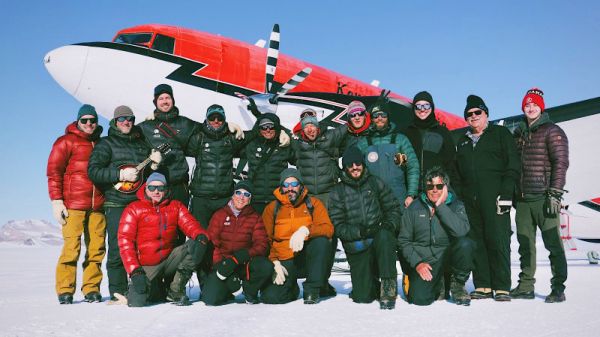
BELARE 2025-26 gets underway as the first crew members arrive at the Princess Elisabeth Antarctica and work to get the station up and running.
Removing a broken engine from a Prinoth tractor as part of ongoing mechanical maintenance and equipment reliability checks.
Routine maintenance is essential to keep Princess Elisabeth Antarctica operating safely and efficiently in one of the world’s harshest environments. From vehicle checks and snow removal to water…

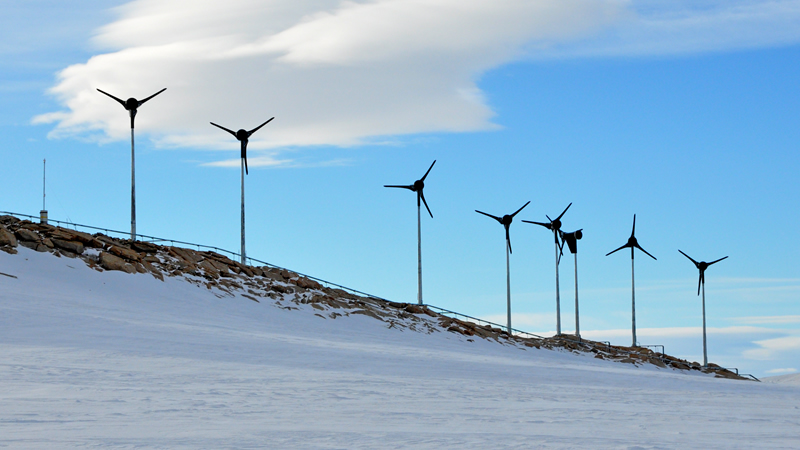
The design of the Princess Elisabeth Station goes well beyond the package. Every aspect of the station was worked and re-worked to minimize energy and material loss while optimizing performance and space.

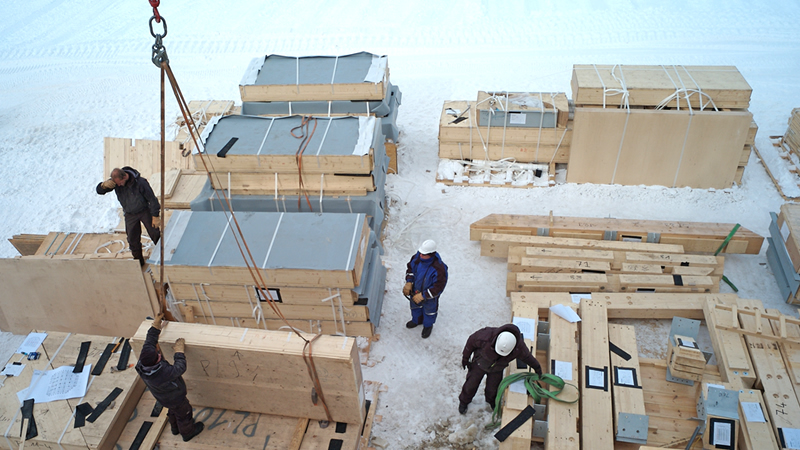
Two seasons of building were needed for the Princess Elisabeth Station to become entirely operational and welcome its first scientists. From 2004 onwards, follow the history of the station as it unfolds.

Princess Elisabeth Antarctica is a puzzle that took existing parts and reassembled them in an innovative way. As a prototype, the station is subjected to perpetual improvements to its efficiency, autonomy, and equipments.

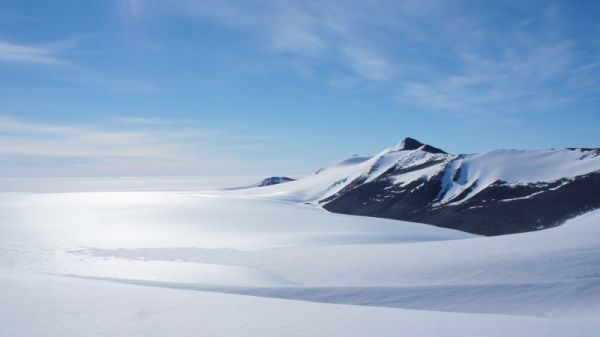
A new station in a vastly unexplored region of Antarctica, Princess Elisabeth Antarctica provides scientists with a wide variety of research environments and the necessary support to conduct their research in the best conditions.