
Logistics and Support
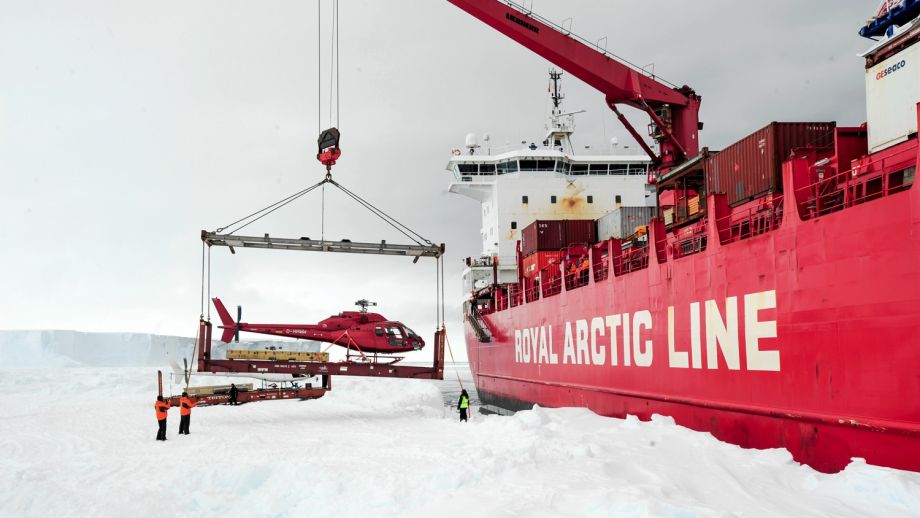
Antarctic logistics may not be as arduous as a century ago, but undertaking scientific research in Antarctica remains a significant logistics challenge. Besides the Princess Elisabeth Antarctica team and visiting scientists, research equipment, spare parts, new systems for the station, provisions and fuel all need to be transported to Antarctica.
Mobile Labs & Accommodation Containers
The International Polar Foundation team at Princess Elisabeth Antarctica provides in-field accommodation and laboratory containers for scientists who carry out research away from the station for extended periods. These containers are more comfortable than tents and provide much better shelter from the Antarctica's harsh conditions. The laboratory containers, provides scientists with the means to conduct preliminary research while in the field, so they can win time and beging collating data.
Workshops and Technical Areas
Test Beforehand
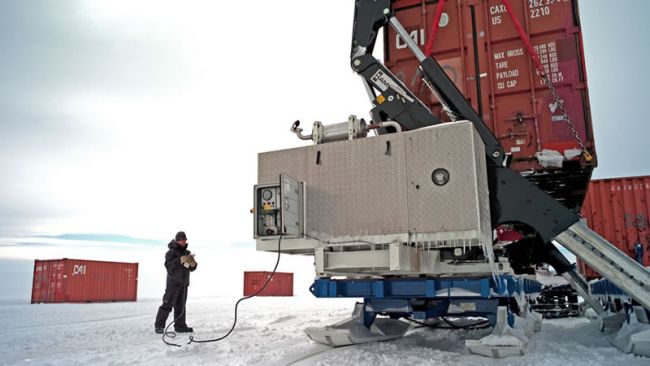
At the beginning of every new season, and after every field trip, Princess Elisabeth Antarctica's tractors and ski-doos are serviced to check for faults before passing them for further use. Other machines are also tested in the workshops upon arrival as the shipping south to Antarctica can often put pieces of machinery through an ordeal they were never build to withstand.
Repair if Needed
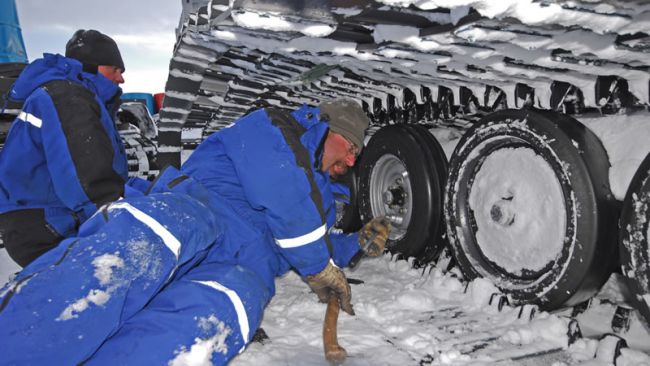
If Antarctica breaks it, we can (usually) fix it. The workshops at the foot of Princess Elisabeth Antarctica are well-equipped and feature all the necessary tools to repair the damage and broken parts of the station's equipments, whether they have a motor or not.
Build Equipment
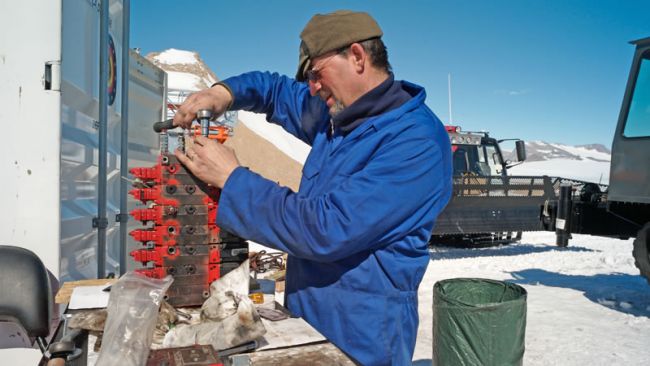
On certain occasions, the station mechanics and engineers are called upon to design and built certain specific pieces of equipment. One of these special features was the small drill designed for Dr. Zorigto Namsaraev of the BELDIVA project, for drilling into cryoconites.
Vehicles
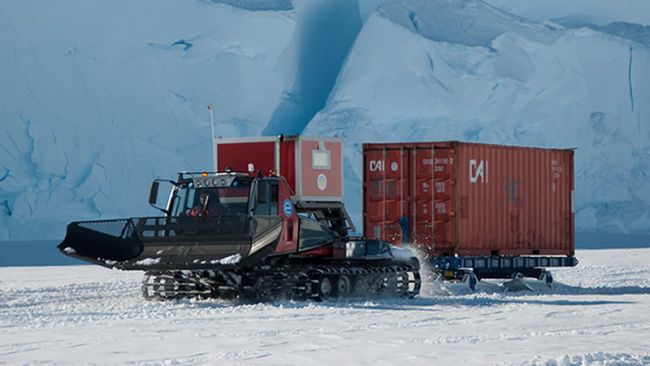
Princess Elisabeth Antarctica has its own car park, fully outfitted with Prinoth tractors and ski-doos. The Prinoths are mostly used for building the airstrip at the beginning of the season, and for hauling freight from the offloading site at the coast to the station.
The smaller ski-doos are used for day trips into the field, and to reach research areas that don't require the heavy logistics that a Prinoth can handle.
Field Equipment
Clothes and gear
Thanks to a partnership with top garment producers, the International Polar Foundation provides all expedition team members with the right clothing for working in Antarctica. Based on a multi-layering principle, the clothing allows the wearer to maintain comfortable body temperatures.
Sleeping Bags
All visitors working away from Princess Elisabeth Antarctica use sleeping bags made to Antarctic standards, that keep you warm, even while sleeping in a small tent in the Antarctic wilderness.
Tents
The storms in Antarctica are notorious for their strength. Our tents are specially designed to withstand the hardships of the Antarctic weather - they won't be shredded to bits by the howling Antarctic wind!
Boots
Over the course of many expeditions, the design of our boots has been refined to provide better insulation from the cold, while remaining comfortable. The boots are also waterproof, ensuring that your feet remain dry in all circumstances.
Sledges
Similar to the slegdes used by Belgian polar explorer Alain Hubert on his expeditions, our sledges allow expedition members to carry a considerable weight in equipment and supplies when heading into the Antarctic wildnerness on foot. When linked together, these can also function as a raft to cross leads and crevasses.
Office Spaces
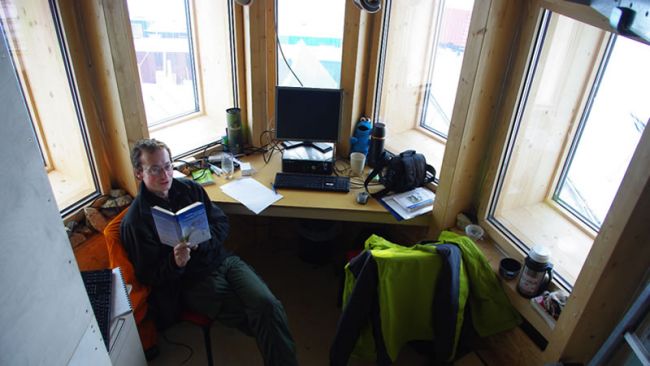
In all polar research stations, working space is a rare resource and having your own desk to work on for extended periods of time is a luxury, never mind having a nice Antarctic view.
At Princess Elisabeth Antarctica, we do things differently - working spaces provide as much working space as possible, while maintaining optimal light conditions.
Communications
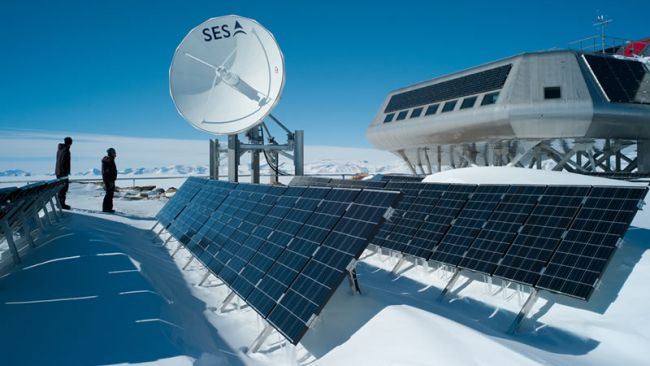
The methods of communicatiing from Antarctica have evolved since the first explorers arrived, but the heydey of radio has been replaced by broadband Internet connections and satellite phones.
Althought it's a long way from home, scientists and support team members working in Antarctica can now stay in close contact with their home base, colleagues and relatives using a broadband Internet satellite connexion.
Your Safety Matters
Medical Assistance
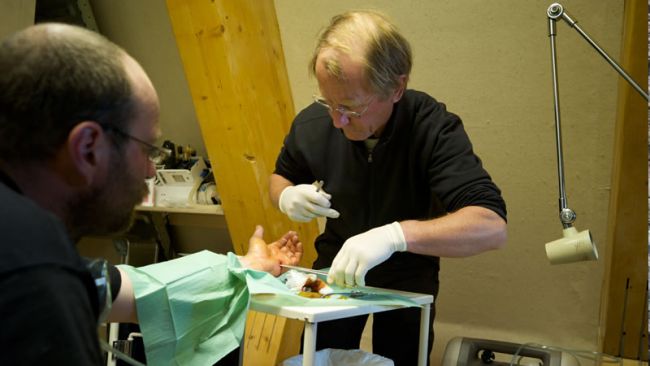
For every season at Princess Elisabeth Antarctica, the International Polar Foundation team includes a physician, trained to to treat injuries and illness that might occur during the course of the season. The doctor also has live access to a remote network of colleagues who are expert in a wide range specialties. A medical evacuation procedure is in place for serious cases.
Certified Field Guides
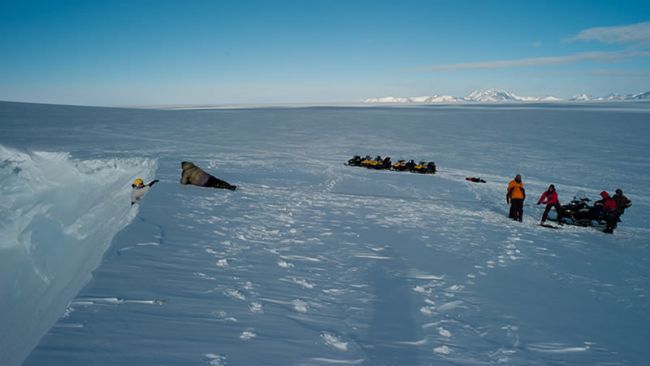
The best way to avoid medical problem in Antarctica, however, is preventation. Field training is provided on arrival at the station, and travel to and from field trips is supervised by certified field guides. These team members have undergone extensive training and are experienced with working and taking care of others in harsh polar conditions.