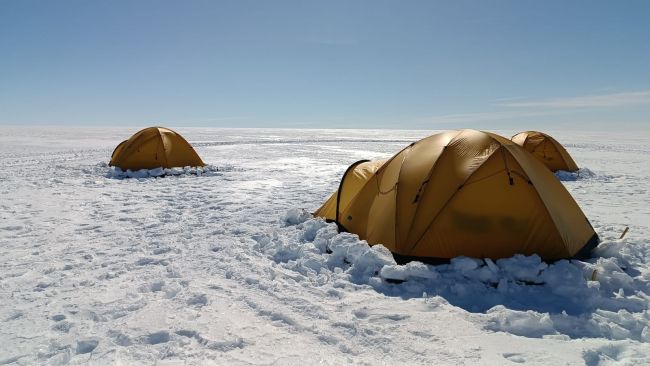
Every season, we publish pictures from Antarctica and we now have quite an archive available. You can follow the life of the Princess Elisabeth Station from its origins in Brussels until the present.
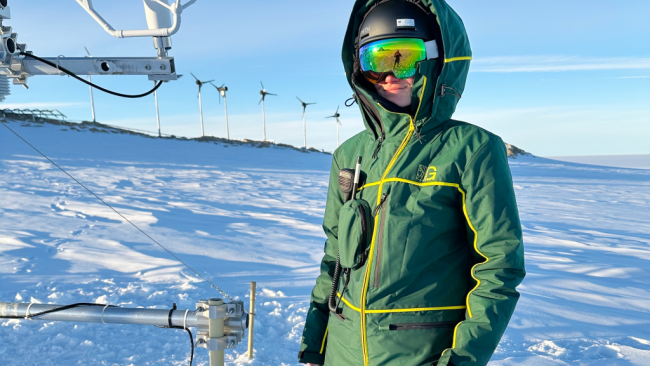
Rainette Engberg from the EPFL in Lausanne, Switzerland is spent one month at the Princess Elisabeth Antarctica setting up a variety of instruments on the 30-metre tower next to the…
In this photo gallery you can find Sarah Wauthy from the Université Libre de Bruxelles and field guide Sebastian Corret colelcting samples from volitaile organic compoud (VOC) samplers…
With all mandatory training completed, scientists and BELARE crew members are embarking on field campaigns to carry out their planned research. On December 31st, Sarah Wouthy and field guide Sebastian…
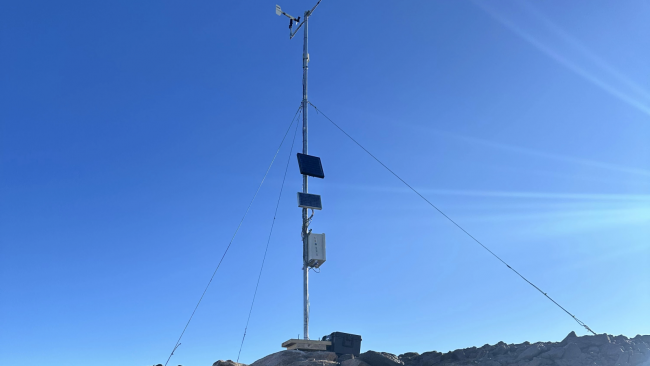
The team installed a new basic automatic weather station on Vesthaugen Nunatak. Mounted on solid rock and rising eight metres high, the station focuses on measuring wind conditions and required…
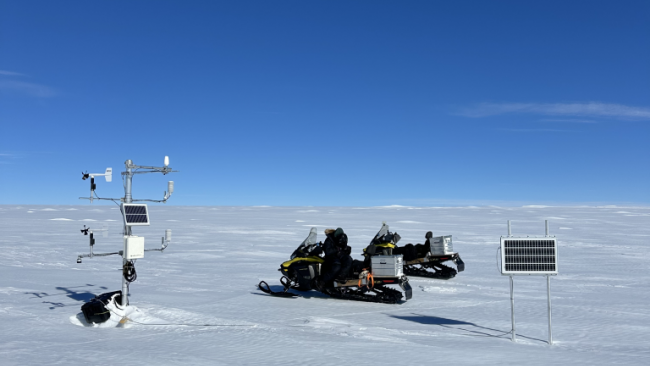
Regular check-ups on the automatic weather stations (AWS) as part of the PEACE project ensure year-round, reliable climate data from the Antarctic plateau. Each station transmits its measurements via satellite,…
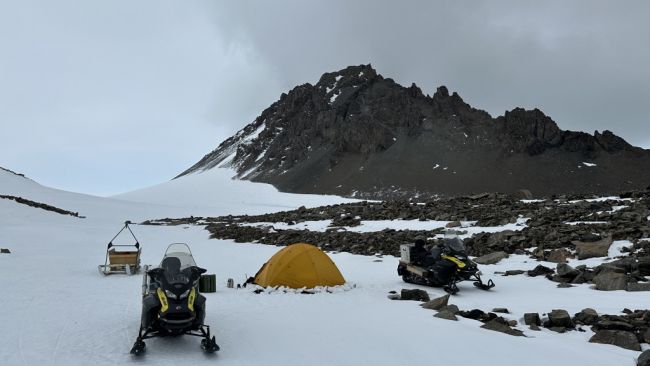
The EXPOSOILS project, funded by BELSPO, investigates how microbial communities in Antarctic soils respond to warming conditions. Researchers collect samples from dry valleys and specially protected areas near the Princess…
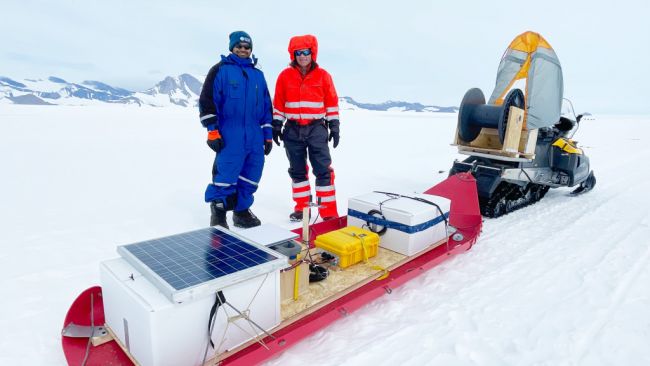
The NISAR project, led by researchers from UC Irvine, focuses on studying the King Baudouin Ice Shelf and its interaction with the ocean beneath. Using a radar-equipped sledge, powered by…
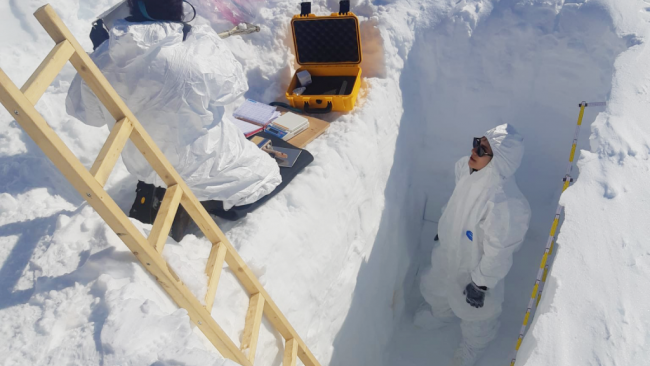
The PASPARTOUT project, led by researchers from Ghent University, studies particles deposited in Antarctic snow and how they are transported across the globe by atmospheric circulation. Scientists collect pristine snow…
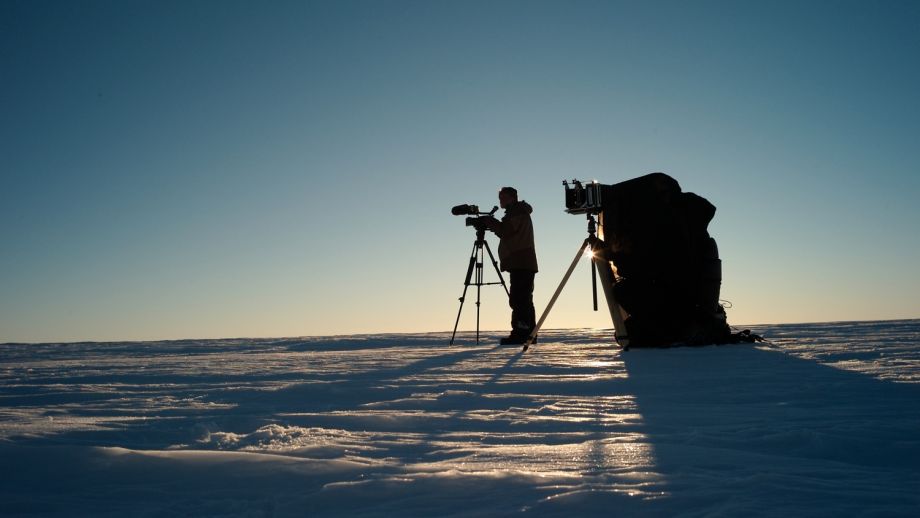
The EPFL-CRYOS project investigates how snow surface structures, like sastrugi, influence the albedo - the amount of solar radiation reflected by the ice. This affects the surface mass balance of…

_auto_sampler_installed_on_the_PEA’s_south_scientific_shelter_for_the_University_of_Gent,_part_of_the_PASPARTOUT_project_650_366_80_s_c1_c_c.jpg)